Project Objectives & Work Structure
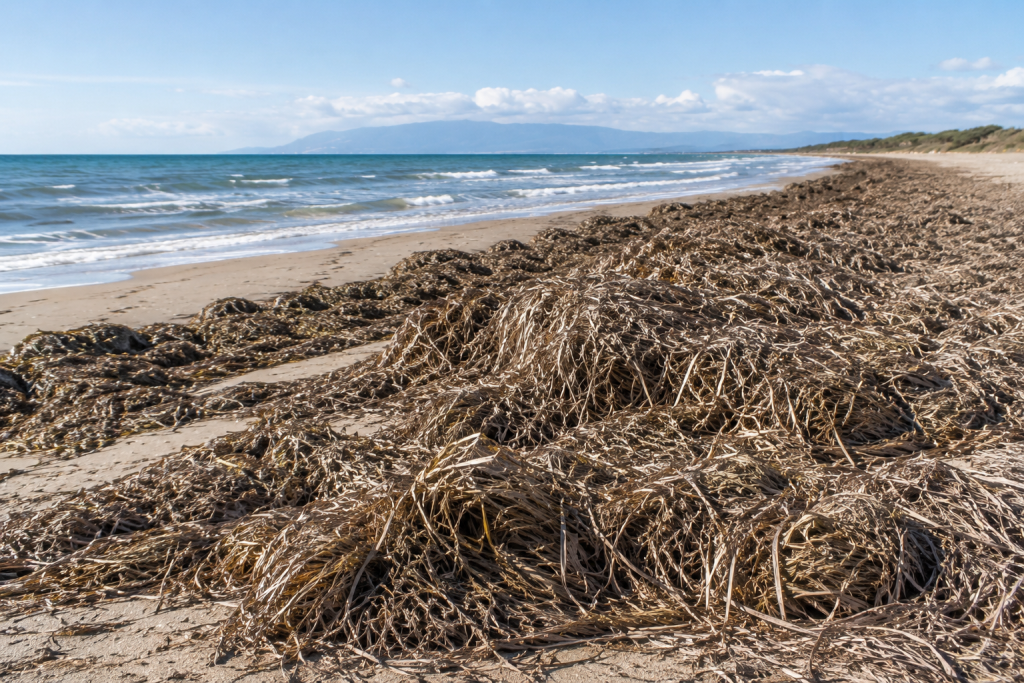
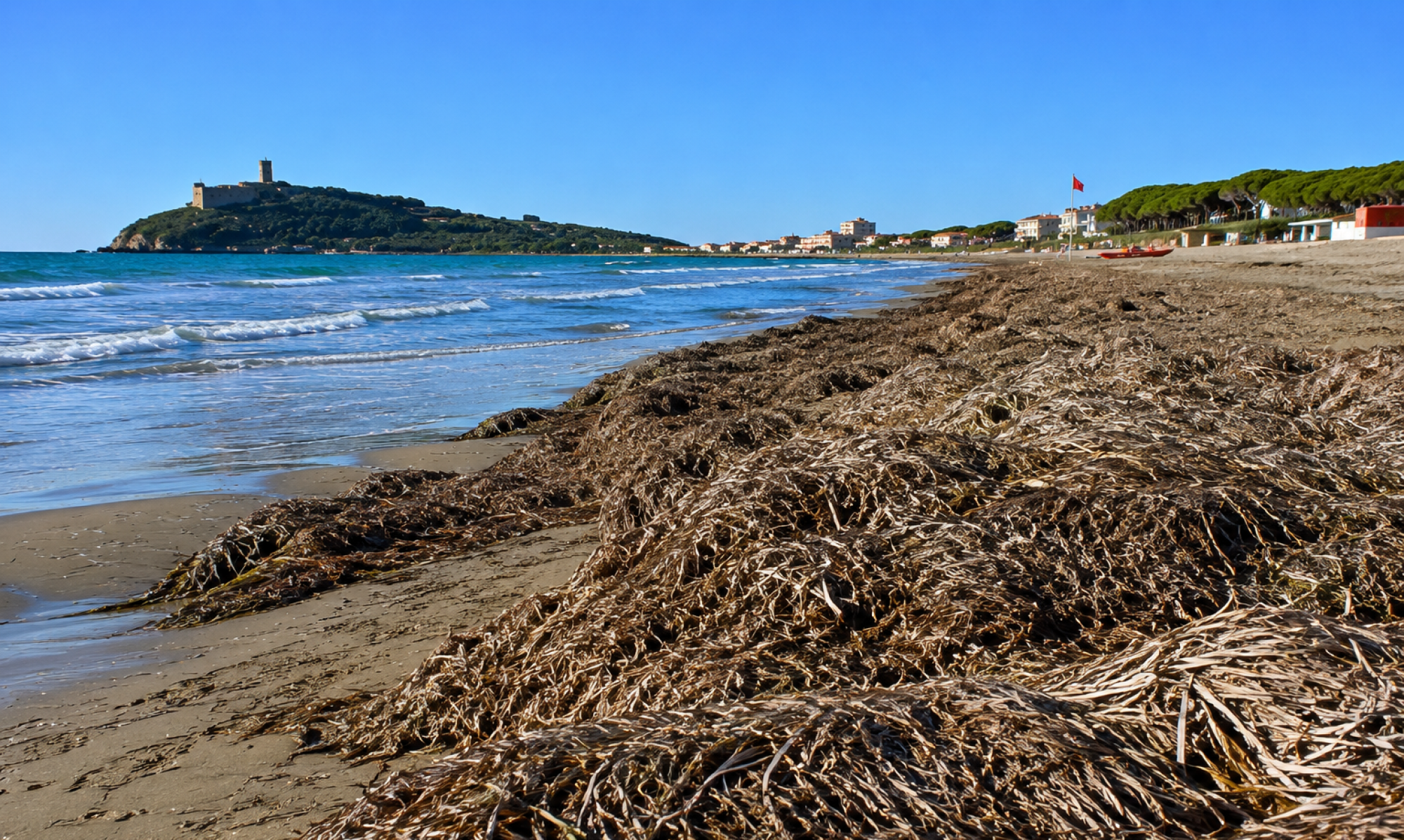
The Posidonia Project spans over a 36-month roadmap organized into interconnected strategic objectives (Work Packages). Our multidisciplinary team covers everything from initial biomass collection to the advanced formulation of high-value bio-based prototypes and environmental impact validation.
Key Research Areas & Bio-Based Prototypes
- Biomass Mapping & Collection (WP1):
Systematic mapping, classification, and harvesting of beached Posidonia oceanica accumulations along targeted coastlines. - Antioxidants & Nutraceuticals (WP2):
Using green extraction methodologies to recover antioxidant phytocomplexes for high-value cosmeceuticals, functional food, and eco-friendly agricultural biostimulants. - Proteins & Bio-Nutrition (WP3):
Extraction and characterization of the protein fraction to develop total amino-acid-rich protein hydrolysates and evaluate their intestinal absorption properties. - Cellulose & Biocomposites (WP4):
Isolating micro- and nano-crystalline cellulose using green chemistry to engineer functionalized biocomposite materials and evaluate their safety via cellular biocompatibility assays. - Green Building Materials (WP5):
Total recycling of post-extraction residual biomass and untreated fibers to formulate eco-mortars and sustainable prototypes for construction.
Sustainability Assessment & Dissemination
Beyond laboratory research, a core objective (WP6) is to rigorously evaluate the platform’s real-world feasibility through Life Cycle Assessment (LCA), Life Cycle Costing (LCC), and Carbon Footprinting. By developing advanced forecasting models, we ensure the technological development matches future green market competitiveness.
Finally, through dedicated dissemination (WP7), the project translates academic validation into scalable public knowledge for coastal communities, companies, and European policy makers.