Project Context & Environmental Challenge
Posidonia oceanica is an endemic marine plant (not an alga) that forms vast underwater forests covering approximately 1.2 million hectares across the Mediterranean Sea. It serves as a vital biodiversity hotspot, sheltering over 1,000 species, improving water clarity, and acting as a natural shield for coastlines against erosion. Furthermore, it is a powerful “Blue Carbon” sink, capturing significant amounts of CO₂.
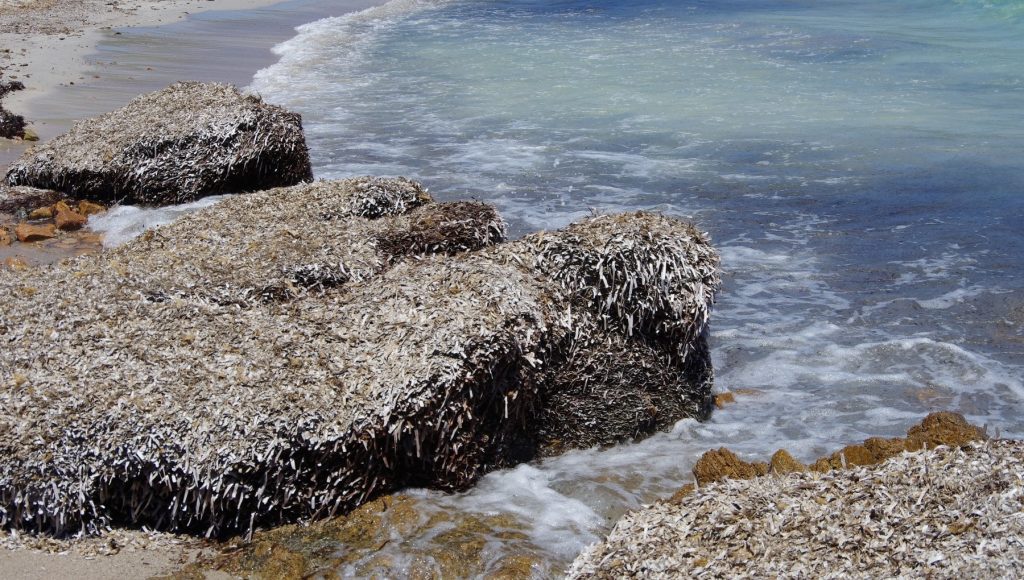
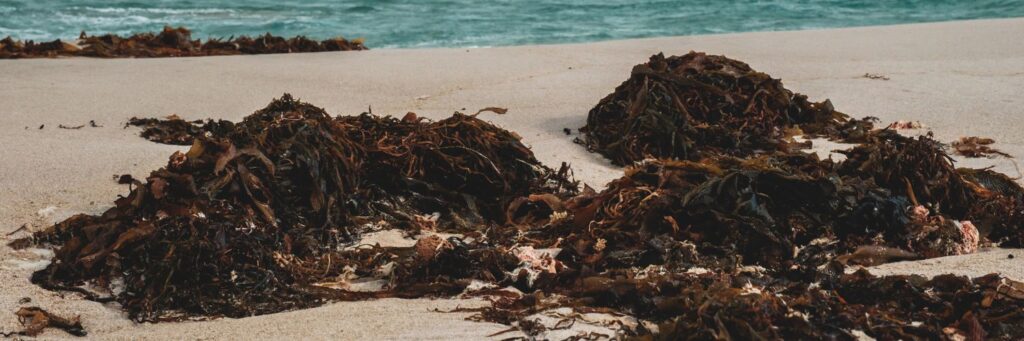
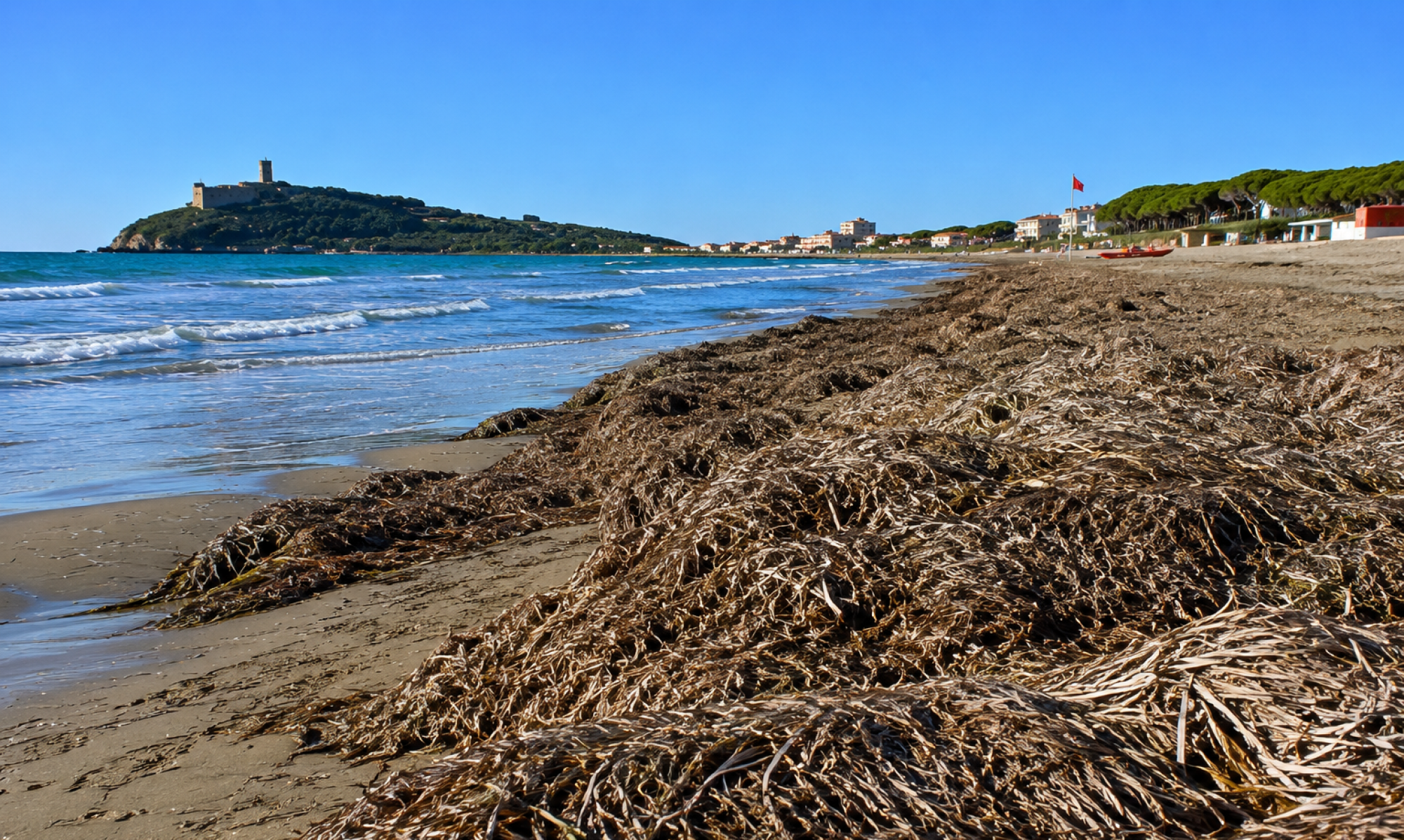
Despite its ecological importance, Mediterranean meadows are facing a 2–5% annual loss due to climate change, pollution, trawling, and anchoring. When storm surges wash Posidonia leaves ashore, they form massive accumulations known as banquettes. On Tyrrhenian beaches, these can reach up to 2.000 m3/Km per storm, translating into up to 2,500 tonnes of wet biomass.
The Economic and Legislative Burden
- High Disposal Costs: Municipalities face clean-up and beach management costs ranging from €15,000 to €100,000 per season.
- Waste Classification: Under current Italian legislation (D.Lgs 152/06), beached Posidonia is classified as “special waste”, incurring substantial landfill fees.
- Environmental Damage: Standard mechanical removal leads to a massive loss of coastal sediment (93 kg/m3) of sand lost within the biomass), causing a severe beach deficit and removing roughly 40 tonnes of blue carbon per year.
Our Mission
In alignment with the EU Bioeconomy & Blue Economy mandates, the University of Siena has launched the Posidonia Project. This 36-month multidisciplinary initiative aims to disrupt the traditional and costly waste-disposal model.